Retreats in Europe: How to Choose the Right Centre and Get the Most Out of It

The word "retreat" now covers a huge range of experiences — from silent meditation weeks in a stone farmhouse to intensive psychological workshops led by trained therapists, from luxury spa breaks with sleep-tracking devices to off-grid cabins with no phone signal at all. Britain alone has grown a genuinely broad retreat scene in the last few years, spanning coastal wild-swimming retreats, woodland meditation retreat centres, and corporate off-sites in the countryside. With so much choice, picking the right one — and knowing how to actually go through it — matters more than picking the prettiest photos on a website.
What a retreat actually is

At its core, a retreat is a deliberate step out of ordinary life for a set number of days, built around a single focus rather than general relaxation. That's the real difference between a retreat and a normal holiday: a retreat has structure, a theme, and usually a facilitator guiding you through it, even if the theme is simply silence.

Broadly, retreats fall into a few overlapping categories:
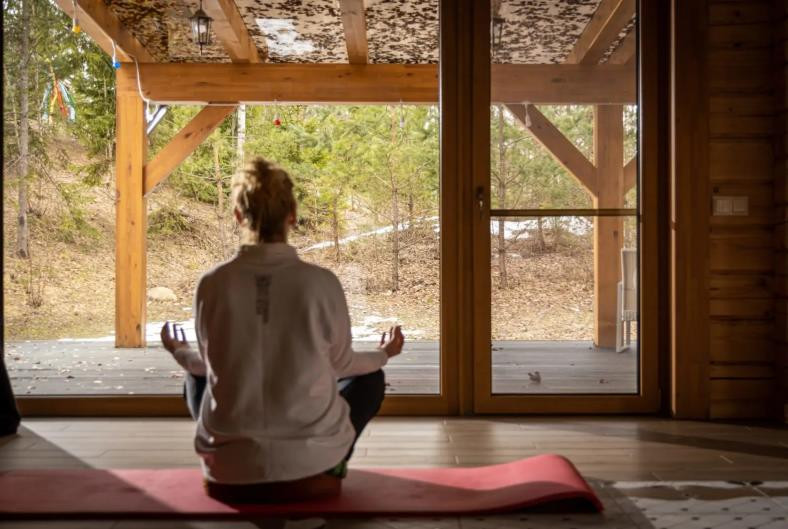
  • Meditation and spiritual retreats — silent sitting practice, Buddhist or Christian monastic stays, yoga-based programmes.
  • Psychological and personal-development retreats — work on burnout, relationships, self-worth, or life transitions, often drawing on therapeutic methods such as gestalt work, family constellations, or somatic practice.
  • Health and wellness retreats — detox programmes, sleep-focused stays, nutrition and movement-based courses, increasingly built around specific health data.
  • Creative and productivity retreats — writing intensives, strategy off-sites for founders or teams.
  • Digital detox and solitude retreats — minimal programming, maximum quiet, often off-grid.

    How to choose a retreat centre

    1. Start with your reason for going, not the location

    Before searching for a venue, be honest about why you're going. "I need a break" and "I need to work through a specific burnout or relationship pattern" call for very different programmes and very different levels of facilitator training. If your reason is specific, look for a centre whose programme is actually built around that theme, rather than a general wellness package that happens to touch on it.

    2. Check who is actually running the sessions

    This is arguably the most important filter, especially for anything psychological rather than purely physical. The wellness and personal-development retreat market has expanded very quickly, and not everyone leading a group has clinical training. Worth checking before you book:

    • Does the facilitator have a recognised qualification in psychology, psychotherapy, or a related clinical field — not just a "coaching" or "practitioner" certificate?
    • Do they have real experience running groups, as opposed to one-to-one sessions? Holding a room through an intense group process is a different skill from individual therapy.
    • Can you find independent reviews from past participants, rather than only marketing copy on the centre's own site?

    3. Understand the format and intensity

    Retreats vary enormously in how demanding they are. Some are gentle and largely self-directed, with long stretches of free time; others run structured sessions for most of the day. Ask in advance:

    • how many hours a day are programmed, and how much time is genuinely free;
    • whether it's entirely group-based or includes one-to-one check-ins;
    • what the ground rules are — alcohol, phones, talking to other participants outside sessions.

    Some centres now also collect health data before you arrive — sleep patterns, activity levels, sometimes more — to tailor the programme. If a centre asks for this, it's worth understanding exactly what will be done with that information.

    The more intense the stated programme, the more it's worth scrutinising the facilitator's background and being honest with yourself about whether you're ready for that level of depth right now. Serious inner work can bring up strong emotions, and it matters who is holding that space — a trained professional, or simply a confident, well-marketed amateur.

    4. Location, season, and logistics

    For anyone based in the UK, a huge range of retreats sit within a couple of hours' flight, and many EU countries require no visa at all. Country retreats also change character with the seasons — a moorland retreat in early summer is a very different experience from a woodland stay in November, and some people specifically choose the quieter, more contemplative off-season months. Worth checking:

    • how far the centre is from the nearest airport or station, and whether transfers are organised for you;
    • what accommodation actually looks like — private room or shared, and whether there's access to nature such as a lake, forest, or coastline, which matters a great deal for anything body-based;
    • whether the setting is remote enough that you'll genuinely be offline, if that's part of what you're looking for.

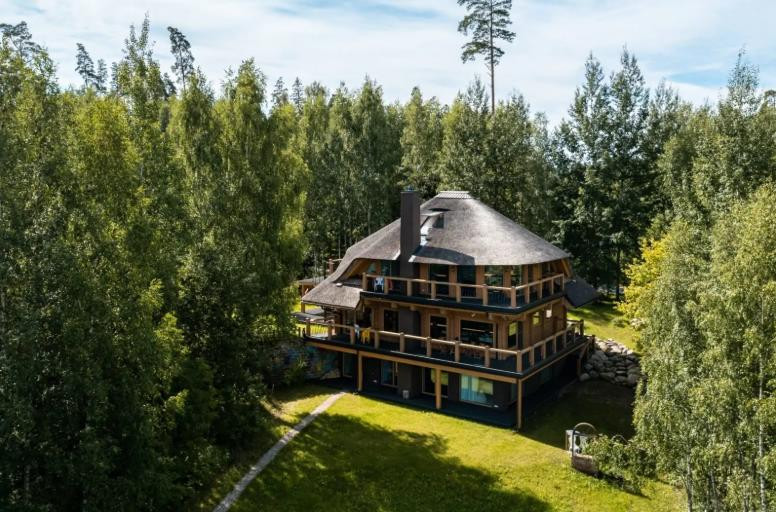
    One example worth mentioning by name: Narbuli Retreat House in Latvia, set in the Amatciems eco-village among forest and lakes, is easily reachable from the UK with direct flights to Riga and no visa required — a useful illustration of how close a genuinely remote-feeling retreat can be.

    5. Payment terms and cancellation policy

    Reputable centres are upfront about their terms: full payment in advance, clear rules on refunds if you cancel close to the date, and sometimes a screening call or questionnaire for anyone who hasn't done that kind of retreat before. That kind of "gatekeeping" is usually a good sign — it means the organisers are thinking about group safety rather than simply filling beds.

    How to actually go through a retreat

    Before you arrive

    • Be clear about your expectations, and don't skip a pre-retreat call or questionnaire if one is offered — it helps both you and the facilitator work out whether the format is right for you.
    • Flag any medical or mental health considerations. Chronic conditions, medication, a psychiatric diagnosis, or a recent major life event (bereavement, divorce, an acute crisis) are all worth disclosing beforehand. Intensive psychological work isn't right for everyone at every moment.
    • Try not to arrive straight from a stressful stretch of work. A day or two of lower intensity beforehand makes a real difference to how much you get out of it.
    • Pack according to the centre's actual guidance — comfortable clothing for sessions, warm layers for evenings, and as few devices as the programme allows.

    During the retreat

    • Limit contact with the outside world. Most serious programmes ask you to hand in phones or use them only at set times — this isn't a gimmick, it's what makes real immersion possible.
    • Don't force the process. If something isn't landing, say so rather than pushing yourself for the sake of "getting your money's worth." A good facilitator will adjust the pace.
    • Look after the basics. Sleep, water, and food are easy to neglect during an emotionally intense few days, but they're what allow you to actually hold the intensity.
    • Give yourself permission to pause. In a group setting, you don't have to be fully "on" for every session — sometimes observing quietly is the right call if your reserves are low.

    After the retreat

    • Don't rush straight back into normal life. A day of lower intensity before returning to work helps the experience settle rather than evaporate.
    • Write down what surfaced. Retreats often produce a strong but short-lived effect — without some way of anchoring the insight (a journal, a conversation with a therapist, a concrete change in habits), it tends to fade quickly.
    • Follow up with ongoing support if needed. A retreat can be a powerful entry point or a useful jolt, but working through trauma or long-standing patterns usually needs regular follow-up, not a single trip.

    In short

    A good retreat comes down to three things lining up: a clear reason for going, a properly qualified facilitator, and a format and intensity that genuinely suit you. It's worth spending an hour checking credentials, reviews, and terms before paying a deposit — that hour will save you both money and, more importantly, emotional wear and tear.

    Mood: Satisfied
    Сербиа Онлине · 8 hours ago 0 18
    Professional Authors' Comments:
    Order by: 
    Per page: 
     
    • There are no comments yet
    Library guests comments


    Actions
    Rate
    1 votes
    Link
    Permanent link to this publication:

    https://library.rs/blogs/entry/Retreats-in-Europe-How-to-Choose-the-Right-Centre-and-Get-the-Most-Out-of-It


    © library.rs
     
    Library Partners

    LIBRARY.RS - Serbian Digital Library

    Create your author's collection of articles, books, author's works, biographies, photographic documents, files. Save forever your author's legacy in digital form. Click here to register as an author.
    Retreats in Europe: How to Choose the Right Centre and Get the Most Out of It
     

    Editorial Contacts
    Chat for Authors: RS LIVE: We are in social networks:

    About · News · For Advertisers

    Serbian Digital Library ® All rights reserved.
    2014-2026, LIBRARY.RS is a part of Libmonster, international library network (open map)
    Keeping the heritage of Serbia


    LIBMONSTER NETWORK ONE WORLD - ONE LIBRARY

    US-Great Britain Sweden Serbia
    Russia Belarus Ukraine Kazakhstan Moldova Tajikistan Estonia Russia-2 Belarus-2

    Create and store your author's collection at Libmonster: articles, books, studies. Libmonster will spread your heritage all over the world (through a network of affiliates, partner libraries, search engines, social networks). You will be able to share a link to your profile with colleagues, students, readers and other interested parties, in order to acquaint them with your copyright heritage. Once you register, you have more than 100 tools at your disposal to build your own author collection. It's free: it was, it is, and it always will be.

    Download app for Android